Author - Bamert Seed

Spring Native Seeding: How to Prepare Now

You have 160 irrigated acres that you want to convert to native vegetation. You know what you want to accomplish, but you’re not sure where to begin.

So you call Bamert Seed.

Before we recommend a single species, we’ll ask a few questions.

Where is your property located? What do you want those acres to provide? Will you graze livestock, produce hay, or manage the property for wildlife? What equipment do you have available?

You might expect us to start with seed. We start with these questions because the answers help us understand what you’re working with and what needs to happen before planting.

If you’re planning a native seeding project for spring, here’s what you can expect us to ask and what you can start doing now to prepare.

Agricultural acreage being evaluated for conversion to native vegetation.]

1. "What Do You Want These Acres to Do?"

This is one of the first things we’ll want to know.

Say you’re converting those 160 irrigated acres into native pasture for cattle. Your seed selection and preparation plan may look different from someone establishing wildlife habitat or restoring vegetation after construction.

We’ll ask how you intend to use the land.

Will you graze it? If so, what kind of livestock? Will you produce hay? Is wildlife habitat part of your goal?

We’ll also want to know where the property is located and what equipment you have available for preparation and planting.

Why Does This Matter to You?

Your goals help us narrow down which native species and varieties may be appropriate for the site. Your location and available equipment help us think through how the project can be established.

You don’t need to know which seed to order before calling. Knowing what you want the land to accomplish is a good place to start.

2. "What's Already Growing Out There?"

Let’s say your pasture isn’t performing the way you’d like.

You may be considering reseeding, but before we recommend that, we’ll ask a few more questions.

What grasses are growing there now? Is it improved pasture or existing native pasture? Has it been grazed? Could overgrazing be contributing to the problem?

We’ll also ask what you’ve already done to improve the site.

These details help us understand whether reseeding is worth considering or whether existing management practices need a closer look first.

What You Can Do in November

Walk the property and take note of:

  • Existing grasses and vegetation: What species are established, and where is the stand thinning?
  • Grazing history: How has the pasture been used, and could grazing pressure be affecting its condition?
  • Weed pressure: Where are unwanted plants competing with desirable vegetation?
  • Soil cover: Are there areas of exposed soil?
  • Previous management: What have you already tried, and what happened?


Bring those observations into the conversation.

They give us a clearer picture of the property and help you avoid making a costly decision before understanding what’s causing the problem.

3. "Do You Have Cover on the Soil Right Now?"

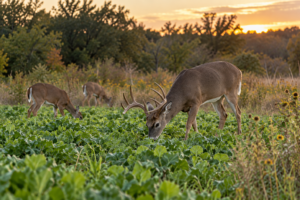
Cool-season vegetation covering agricultural soil to help reduce winter erosion.]
Appropriate winter vegetation can help protect exposed soil from erosion while a spring native seeding project is being planned.

If you’re planning to plant native seed in spring, we want to know what condition the site will be in when planting time arrives.

One concern is bare soil going into winter.

Vegetation can help reduce erosion and catch snowfall during the colder months. That cover may be especially valuable on sites exposed to wind or runoff.

If your property is currently bare, we may discuss whether a cool-season cereal grain such as oats, wheat, or rye would be appropriate for temporary cover. Our Fall Cereal Grain Food Plot can be a good cool season option based on 60-plus years of experience.

But we wouldn’t recommend the same approach for every property.

Your location, soil conditions, existing vegetation, and future planting plans all matter.

What You Can Do in November

Before winter sets in, take a look at how much of your soil is exposed.

If you already have vegetation, consider how it will be managed before native planting.

If the ground is bare, talk with us about whether temporary cover makes sense for your site and how it would need to be managed ahead of spring seeding.

The goal is to protect the soil without creating additional competition for the native seed you plan to establish.

4. "Did That Seed Specification Come From Another Project?"

Here’s a situation we see in project planning: A contractor successfully establishes vegetation on a solar project in one state. Now they’re working on a similar project somewhere else and want to use the same seed specification.

It worked before. Why change it?

Some of those species and varieties may be suitable for both sites. But there’s a good chance the new location will need a different blend.

You can use the SeedSpec tool for a better understanding of geographically site-specific seed recommendations.

Or just send us the existing specification. We’ll want to know where the new project is located and what the vegetation needs to accomplish.

We’ll consider regional adaptation, site conditions, intended use, and any requirements the project must meet.

A blend suited to one location may not be the best fit for another, even when the projects look nearly identical on paper.

What You Can Do in November

If you’re managing a new reclamation, renewable energy, transportation, or conservation project, gather the existing seed specification and information about the new site.

Send both when requesting a quote.

We can help you evaluate which species may still be appropriate and where the specification may need to change.

That conversation is much easier to have before seed is ordered and the contractor is ready to plant.

5. "What Does Your Site Preparation Look Like?"

Agricultural equipment preparing a field for a future native seeding project.
Site preparation takes time. Evaluating soil conditions, equipment, and contractor needs now can help keep spring planting on schedule.

You may have the right seed selected and a spring planting date in mind.

But is the site ready?

When you call about a larger project, we’ll ask what preparation has already been completed and what equipment is available.

A firm, properly prepared seedbed is important for native seed establishment. Getting there can take time, depending on soil type, location, existing vegetation, and the planting method.

If your site needs significant preparation, waiting until spring to start may put pressure on the rest of your schedule.

What You Can Do in November

Walk the site and identify the work that still needs to happen.

Look for heavy weed pressure, existing vegetation that will need management, erosion concerns, and areas that may require additional preparation.

Then talk with your contractor about the equipment, methods, and time needed to prepare an appropriate seedbed.

If you’re unsure what conditions you should be aiming for, that’s a good question to bring to Bamert.

We can discuss the seed and establishment considerations so you can coordinate the next steps with your planting contractor.

6. "How Many Acres Are You Planting, and When?"

These are two questions we’ll ask even when you already have a completed seed specification.

Why?

Because project size and timing affect seed planning.

For larger projects, we prefer to work through the seed needs as early as possible. That helps us plan for availability and secure the seed required for your project.

Your contractor needs time to plan, too.

Spring planting schedules can fill up, and a project involving hundreds of acres may require more coordination than a smaller planting.

What You Can Do in November

November is a good time to coordinate three things:

  1. Seed: Contact Bamert with your acreage, location, specifications, and anticipated planting timeline.
  2. Site preparation: Determine what needs to be completed and who will do the work.
  3. Contractor scheduling: Select your contractor and communicate your project size and intended planting dates.


You may not have an exact planting date yet. That’s okay.

The earlier these conversations begin, the more opportunity you have to work through potential scheduling and seed availability issues.

7. "Is This Part of an NRCS Conservation Project?"

If you’re planning a project through a USDA Natural Resources Conservation Service (NRCS) program, tell us early in the conversation.

NRCS conservation practices have standards and specifications that may include required seeding rates, species, and planting dates.

Those requirements need to be considered before selecting or ordering seed.

If you already have a conservation plan or seed specification, send it to us.

We’ll review the seed requirements with you and discuss how they relate to your project.

For current program information, conservation practice standards, and applicable requirements, start with the USDA NRCS website or your local NRCS office.

You Don't Need a Seed List to Call Bamert

Maybe you actually have that 160 acres to convert to native pasture.

But maybe you’re managing a reclamation project with an existing specification.

Or maybe you know your land needs improvement, but you’re still trying to figure out what the right next step looks like.

Call us at any stage.

We’ll start by learning about your project, then work through the questions that matter for your location, land use, and planting goals.

To make that conversation productive, have as much of this information ready as you can:

  • Location: Where is the project?
  • Acreage: How much land are you working with?
  • Goals: What do you want the vegetation to provide?
  • Current conditions: What’s growing there now?
  • Land use: Will the property support grazing, hay production, wildlife, reclamation, or another purpose?
  • Timeline: When are you hoping to plant?
  • Specifications: Do you have an existing seed list, project specification, or conservation plan?


Don’t have every answer? That’s fine. We’ll help you work through what information is needed next.

Get a Head Start on Your Spring Project

If you’re planning to plant native seed this spring, there are useful things you can do right now.

Evaluate what’s already growing. Decide what you need the land to accomplish. Look at winter soil cover. Begin site preparation. Get your contractor involved and start discussing seed needs.

And if you’re unsure where to begin, give us a call at 1-806-639-5232 or contact us online.

We’ll start there. And we’ll end with a completed project you can be proud of.

Share:

Facebook
Twitter
Pinterest
LinkedIn
On Key

Related Posts

Join Our Team

Step 1 of 3

Your Personal Information

Your Name
Your Email Address
Address
When is the best time for us to reach you via telephone?