
Fall Food Plots: Planning Better Habitat for Deer and Wildlife
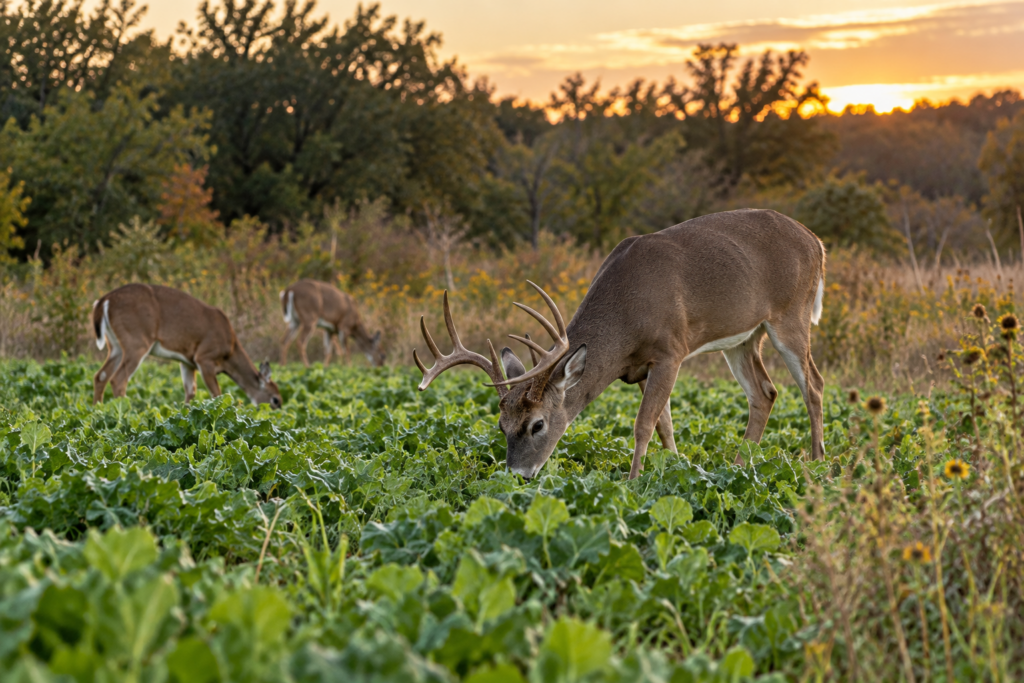
Why does fall get a lot of attention as planting season? It’s because cooler temperatures, seasonal moisture, and reduced weed pressure can create favorable planting conditions for many native grasses and wildflowers. But planting in the fall isn’t automatically the right decision. The better question is: What are you trying to accomplish? Do you want […]
Fall Native Seed Planting: Start With Your Goal

Why does fall get a lot of attention as planting season? It’s because cooler temperatures, seasonal moisture, and reduced weed pressure can create favorable planting conditions for many native grasses and wildflowers. But planting in the fall isn’t automatically the right decision. The better question is: What are you trying to accomplish? Do you want […]
Why the Best Fall Projects Are Planned in August
Most fall projects don’t succeed because seed showed up on time. They succeed because the important decisions were made weeks—or even months—earlier. By the time crews are ready to plant, project schedules are often set, specifications have been approved, and timelines leave little room for change. That’s why August matters. It’s one of the best […]
What Happens After You Place a Native Seed Order with Bamert?

When you order seed, you’re not really buying seed. You’re buying confidence that the right product will arrive on time and be ready when your project needs it. As a project manager, you never see what happens between placing an order and receiving a shipment. At Bamert, that process involves inventory tracking, warehouse coordination, quality […]
What Contractors Need to Know About the TxDOT Seed Specs

Most contractors don’t have time to study TxDOT seed specifications line by line. You just need to know: What to order What’s changed And how to avoid problems later in the project But small mistakes in a seed order can create bigger issues downstream. What to watch for: Non-native varieties. Outdated blends. Seeding based […]
Spec In, Spec Out: Why Bad Seed Specs Lead to Rework

A seed specification doesn’t just define what gets planted. It defines whether your project works the first time. If you’re responsible for timelines, inspections, and outcomes, getting the seed specification right upfront is one of the simplest ways to reduce risk. A seed specification often looks simple on paper. A list of species. A target […]
From Spec to Soil: What Reclamation Success Looks Like

Anyone can deliver seed. But reclamation success isn’t measured by what arrives in a bag. It’s measured later — when the site establishes stable vegetative cover, passes inspection, and stays resilient long after the project wraps. For project managers, engineers, and sustainability teams, success means something very specific: The site stabilizes• The vegetation establishes• Compliance […]
Fall vs. Spring Planting Myths, Risks, and What Actually Works

Not all seed success starts in fall. If you’re managing a restoration project, preparing a solar or oil & gas site, or trying to establish native vegetation on your land, you’ve probably heard this line: “Mother Nature plants in the fall, so you should too.” That phrase sounds smart. But it doesn’t hold up under […]
What Makes a Great Seed Vendor? A Checklist for Project Managers

Anyone can ship seed. But not everyone can support a high-stakes project, keep up with your timeline, and deliver what actually grows. You need a native seed vendor that knows their stuff. Not All Native Seed Vendors Are Built for the Field The wrong vendor costs you time, money, and credibility — especially when you’re […]
75 Years in the Field: What It Takes to Build a Native Seed Company That Lasts

Most seed companies don’t make it. Even fewer make it 75 years — and stay family-run, production-based, and customer-focused all the way through. In a world of quick wins and lowest-bid contracts, we built something different: a 75-year track record of doing right by both the land and the people who steward it. Bamert Seed […]