Not all seed success starts in fall.
If you’re managing a restoration project, preparing a solar or oil & gas site, or trying to establish native vegetation on your land, you’ve probably heard this line:
“Mother Nature plants in the fall, so you should too.”
That phrase sounds smart. But it doesn’t hold up under scrutiny — and it can lead to costly, well-intentioned mistakes.
At Bamert, great projects don’t copy nature. They understand it.
Here are four common seasonal myths we hear all the time — and what you should know before you plant.
Myth #1: "If I missed fall planting, I can just plant bluebonnets in the spring."

We hear this one every year. And we get it: Spring is when wildflowers bloom. So it makes sense to assume spring is the time to plant them.
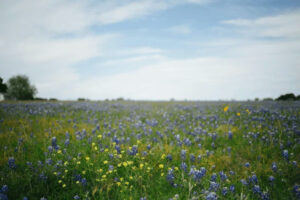
But for bluebonnets and many other native wildflowers, fall is the right season to plant.
Bluebonnet seeds are typically planted between early September and mid-December. This gives the plants time to germinate and grow slowly throughout the winter months.
During that cool season growth period, the young plants develop a strong root system and sturdy structure.
If seed is planted in the spring instead, there’s not enough time to establish before temperatures rise.
Fall planting gives the bluebonnet time to do the quiet work underground so it can thrive and bloom when spring arrives.
Takeaway: The best wildflower displays start with fall planting — plan ahead.
Explore wildflower options that thrive when planted early
Myth #2: "Mother Nature plants in the fall, so fall must be best."
This one sounds logical. But it leaves out some critical context.
Yes, Mother Nature drops seed in the fall. But she also:
- Drops 50–100+ pounds per acre
- Has no budget, no inspection, and no deadline
- Accepts massive seed loss due to wind, wildlife, rain, and erosion
If you’re a landowner, contractor, or project manager, you’re not spreading 100 pounds per acre. You’re probably planting 3 to 7 pounds per acre.
That means you can’t afford that kind of loss.
So while fall might be when nature plants, it doesn’t mean it’s best for your project.
Talk with a Bamert expert about your project goals
Myth #3: "Seed has to sit through winter to germinate."

This myth is rooted in dormancy. But here’s what people miss:
- Dormancy means seed isn’t ready to germinate yet.
- Freshly dropped seed in nature is highly dormant.
- Nature uses winter to break that dormancy.
But you’re not planting freshly dropped seed.
Bamert seed has already been harvested, cleaned, stored, and aged.
That storage process helps break dormancy so the seed is ready to grow when soil conditions are right.
You don’t need to let it sit all winter.
When you plant in the spring, you’re aligning the timing of planting with the seed’s biological readiness.
Myth #4: "Getting seed in the ground early is always better."
More than once, we’ve seen project managers rush to plant in the fall — only to lose seed to exposure and erosion.
Here’s the reality:
- Native seed won’t germinate until soil temperatures are warm enough.
- Fall-planted seed often sits on or near the surface for months.
- That creates risk of:
- Washout
- Erosion
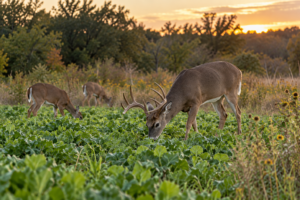
- Predation (seed eaten before it can germinate)
Spring planting avoids this by putting seed in the ground when it’s ready to grow.
Give us a call at 1-806-639-5332. A Reclamation Specialist can help you find which species work best for spring planting in your area.
So When Should You Plant?
There’s no single planting season that works for every species or project. The best timing depends on what you’re planting and what your site conditions look like.
Here’s a simple seasonal guide to help:
Fall
- Best for bluebonnets and many other native wildflowers
- Typically planted between September and mid-November so plants can establish through the winter
Fall is also the time to think about site protection.
If bare soil is present, many projects benefit from planting an annual cool-season cover crop to prevent erosion and site degradation during the winter months. That cover can then provide stability and organic matter ahead of spring planting.
Spring
- Best for most native grasses and many custom blends
- Spring planting aligns better with soil temperatures that support germination, and it allows you to plant into a site that has had winter cover rather than exposed soil.
Key Principle:
The right season depends on your species, your site conditions, and your project goals.
Bamert’s Recommendation: Don’t Just Pick a Season. Pick a Partner.
Every site is different. Every project has its own challenges.
That’s why we never give one-size-fits-all answers.
Instead, we:
- Use USDA soil surveys and NRCS data to guide recommendations
- Consider your project deadlines and long-term goals
- Help revise specs based on what will actually establish
We’re not just a seed supplier. We’re your partner in success.
Let’s Talk About Your Project
Need help choosing the right season, species, or blend? We’ll help you make the call — so your seed succeeds.
Request a quote or try our Seed-Spec tool to get started.