Author - Bamert Seed

Fall Food Plots: Planning Better Habitat for Deer and Wildlife

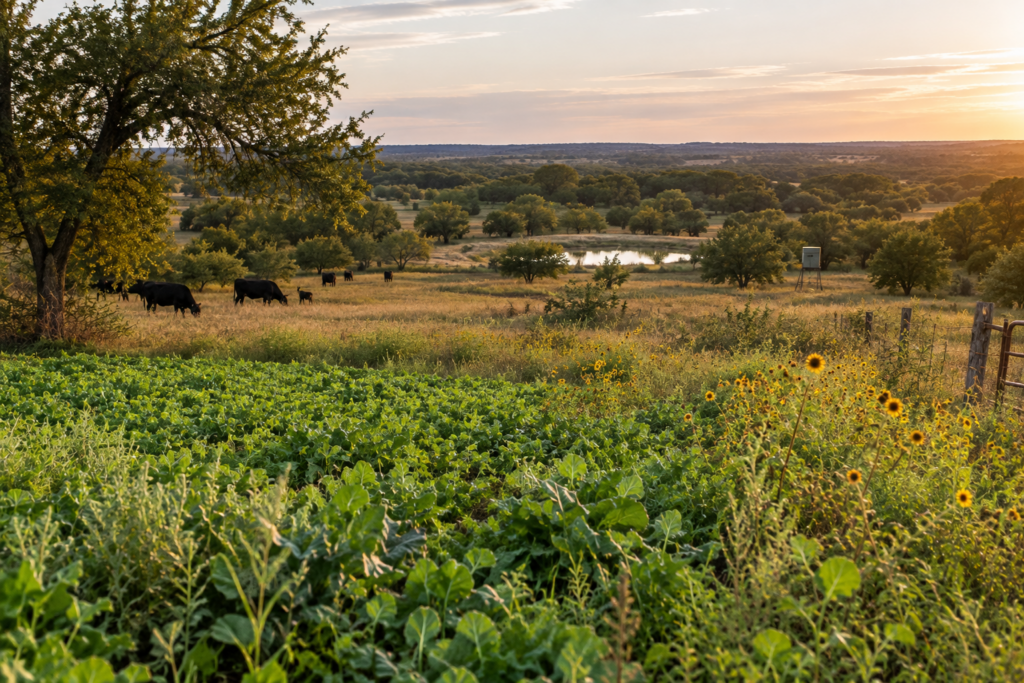
A fall food plot should earn the acres, time, and money you put into it.

You want wildlife to use it. You want the seed to establish. And ideally, you want that planting to fit into what you’re already trying to accomplish across the property.

Good results depend on the goal, planting window, site conditions, and seed selection.

What are you trying to attract? When does that wildlife need additional forage? What’s already growing nearby? Does the site have the moisture and soil conditions your planting needs?

Those questions can help you get more value from every acre you put into a food plot.

Start With What You Want Your Food Plot to Do

Get specific about your wildlife goals.

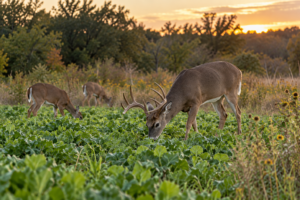
Are you trying to provide supplemental forage during a time when other food is limited? Give whitetail deer another food source during hunting season? Support turkey and quail, too? Improve the overall habitat on a working ranch?

Start with the wildlife you want to support, then choose a food plot built around that goal.

Your answer matters because a food plot designed around cool-season forage may look very different from a planting intended to provide diverse, longer-term wildlife habitat.

USDA NRCS guidance recommends incorporating food plots as one component of a complete wildlife management plan.

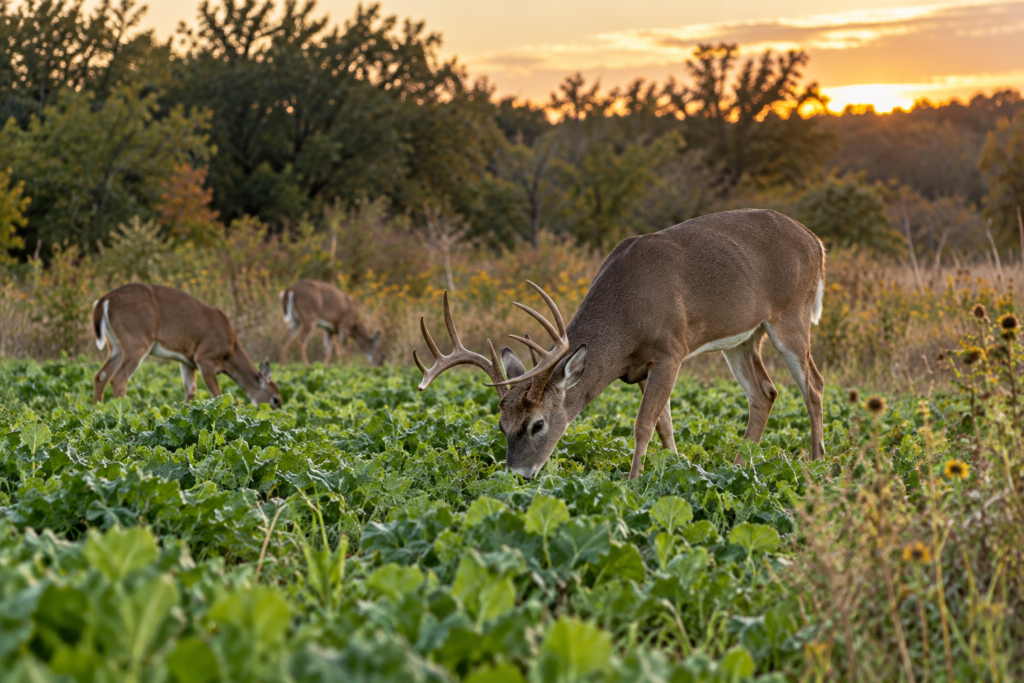
Deer also depend on cover, water, travel corridors, and suitable habitat throughout the year. Texas A&M AgriLife notes that forbs are preferred by deer in South Texas, while browse plants make up a major portion of their diets.

Look Beyond the Plot Boundary

Before deciding where to plant, look at what’s around the proposed plot.

Where is the nearest cover? Where do deer already travel? Where does water collect? Is the site prone to erosion? Does it receive enough sunlight?

Select less erosive areas and consider the relationship between food sources and nearby cover.

The most convenient open acre may not provide the greatest value for wildlife.

For Fall Food Plots, Timing Matters

October may put hunting season on your mind, but the calendar alone shouldn’t determine when seed goes in the ground.

Planting dates vary by species, location, variety, weather, and soil conditions.

Fall food plots should use species suited to cool-season establishment in your region and current growing conditions.

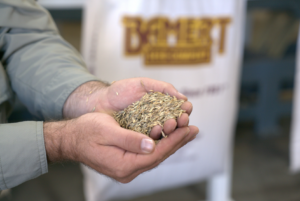
For example, Bamert’s Cereal Grain Food Plot Blend contains oats, wheat, cereal rye, and triticale. We recommend it for regions receiving more than 16 inches of rainfall, at a planting rate of 50 pounds per acre.

Those cool-season cereal grains serve a very different purpose from warm-season native grasses you may use elsewhere on the property.

Plant for the season you’re in. Plan now for the seasons ahead.

When the appropriate planting window has passed, waiting may give you better results than forcing a planting into unfavorable conditions.

Your Seedbed Can Make or Break the Food Plot

Existing vegetation, weed pressure, soil conditions, and moisture can all affect what happens after you plant.

Even a well-selected blend can struggle on a poorly prepared site.

Before planting, look closely at what’s already there.

Heavy existing vegetation can compete with seedlings for sunlight, water, and nutrients. A significant weed seed bank can create problems after germination. Poor seed-to-soil contact can also work against establishment.
Before You Plant, Ask These Four Questions

Existing vegetation: What will compete with your new planting?

Weed pressure: Are undesirable plants already dominating the site?

Soil and moisture: Does the location hold enough moisture for what you’re planting? How does water move across or through it?

Planting method: Can you achieve the seed placement and seed-to-soil contact the blend requires?

Spend time answering before planting. It’s much easier to address issues now than after establishment falls short.

Choose a Food Plot Blend for the Job

The most useful question is: Which blend fits what I want this acre to accomplish?

We offer several blends built around different wildlife and land-management objectives.

Greater Forage Diversity: Rack 'em & Rut 'em

Our Rack ’em & Rut ’em Superior Fall Food Plot Blend combines cereal grains with annual ryegrass, turnips, clover, hairy vetch, Austrian winter pea, and alfalfa. Blend composition can change based on availability.

Current seeding guide lists a planting rate of 50 pounds per acre.

The added diversity gives you another option when the objective extends beyond a basic cereal-grain planting.

Longer-Term Wildlife Habitat: Wildlife Habitat Blend

Some properties need habitat that provides value well beyond hunting season.

The Wildlife Habitat Blend combines native grasses, legumes, and forbs. It can include species such as Sideoats Grama, Big Bluestem, Little Bluestem, Partridge Pea, Engelmann Daisy, Illinois Bundleflower, Black-Eyed Susan, and Purple Prairie Clover based on availability.

We recommend a planting rate of eight pounds per acre for this blend.

Because it serves a different purpose from a fall cereal food plot, planting timing and site preparation should follow the species and conditions involved.

Cool-Season Forage: Cereal Grain Food Plot Blend

This blend is highly palatable, cold-tolerant, economical, and easy to plant. It’s formulated for areas receiving more than 16 inches of rainfall.

The Cereal Grain Food Plot Blend combines equal portions of oats, wheat, cereal rye, and triticale.

This can be a straightforward option when your goal calls for a fall cereal-grain food plot.

A Food Plot Is One Part of the Habitat

Deer activity in a planted field only tells you part of the habitat story.

Food, cover, water, travel corridors, and surrounding vegetation all contribute to habitat quality.

Native grasses can provide cover. Forbs can provide forage and support insects. Existing native vegetation may already be doing valuable work for the wildlife you’re trying to manage.

This is especially important on Texas working lands, where wildlife habitat and livestock production often occupy the same property.

Think Beyond Hunting Season

Ask one useful question as you walk the property: What will wildlife find here after hunting season ends?

Natural forage changes throughout the year. Food plots can help fill specific needs, but year-round habitat depends on the larger plant community and how the property is managed.

That may mean protecting existing native cover, improving plant diversity, establishing longer-term habitat, or changing how certain acres are managed.

Food Plots on a Working Ranch

Wildlife goals should fit the way the rest of the property operates.

Which acres need to remain productive for grazing? Where does good native cover already exist? Could a strategically located acre provide greater wildlife value? How will livestock access affect a newly planted food plot?

USDA NRCS recommends protecting food plots from unplanned grazing and considering surrounding habitat when choosing their locations.

Food plots should fit into the way you manage the property throughout the year.

On some operations, annual food plots may even fit within normal crop rotations. Annual wildlife food plots can be incorporated into fields devoted to crop production and encourage no-till approaches where appropriate.

The acres should work together toward your larger goals for livestock, wildlife, soil, and long-term land stewardship.

What If You've Missed the Right Planting Window?

Wait and prepare instead.

Weather, moisture, site preparation, and species all affect the odds of successful establishment. When those pieces aren’t lining up, you can still make progress.

Manage Weeds & Prepare for the Next Window

Reducing unwanted vegetation can give your future planting less competition.

Evaluate the seedbed, soil conditions, drainage, access, and planting method before you’re under pressure to plant.

A soil test may also help identify conditions that need to be addressed before you invest in seed.

Look at What's Already Working

Walk the property.

Where are deer feeding now?

Where are they bedding?

Which native grasses and forbs are already present?

Where is bare ground increasing?

Where are weeds taking over?

Those observations give you useful information for choosing what, where, and when to plant next.

Plan the Next Planting Window

Longer-term goals may include native grass establishment, improved pasture, additional wildlife habitat, or a conservation project.

Use the time to select adapted species, prepare the site, and plan around the appropriate planting window.

The goal is successful establishment. Sometimes that means planting now. Sometimes it means getting the land ready for what comes next.

Build a Food Plot Around Your Land

Start with your land, your wildlife goals, and your planting window. Bamert can help with the species from there.

Our team can help you compare existing food plot blends, think through planting timing, and determine what fits your region and wildlife objectives.

And when conditions suggest waiting, we’ll help you plan for the next appropriate planting window.

Ready to make the next acre count?

Contact us to speak with a specialist.

Share:

Facebook
Twitter
Pinterest
LinkedIn
On Key

Related Posts

Join Our Team

Step 1 of 3

Your Personal Information

Your Name
Your Email Address
Address
When is the best time for us to reach you via telephone?