Why does fall get a lot of attention as planting season?
It’s because cooler temperatures, seasonal moisture, and reduced weed pressure can create favorable planting conditions for many native grasses and wildflowers.
But planting in the fall isn’t automatically the right decision.
The better question is: What are you trying to accomplish?
Do you want to:
- Restore wildlife habitat?
- Improve pasture?
- Meet reclamation requirements?
- Support pollinators?
- Stabilize disturbed ground?
The answer should shape the seed mix you choose, the species you plant, and sometimes even the timing.
When your planting strategy starts with your goals instead of the calendar, you’re much more likely to achieve long-term success.
Why Fall Creates Good Conditions for Some Native Species
Fall planting gives some native species special: time to establish before the next growing season.
As temperatures begin to cool, many sites also experience lower evaporation rates and, in many parts of Texas and the Southern Great Plains, an increased chance of seasonal rainfall. Those conditions can help support early root development while reducing stress on young seedlings.
For many native wildflowers, fall planting also aligns with their natural life cycle.
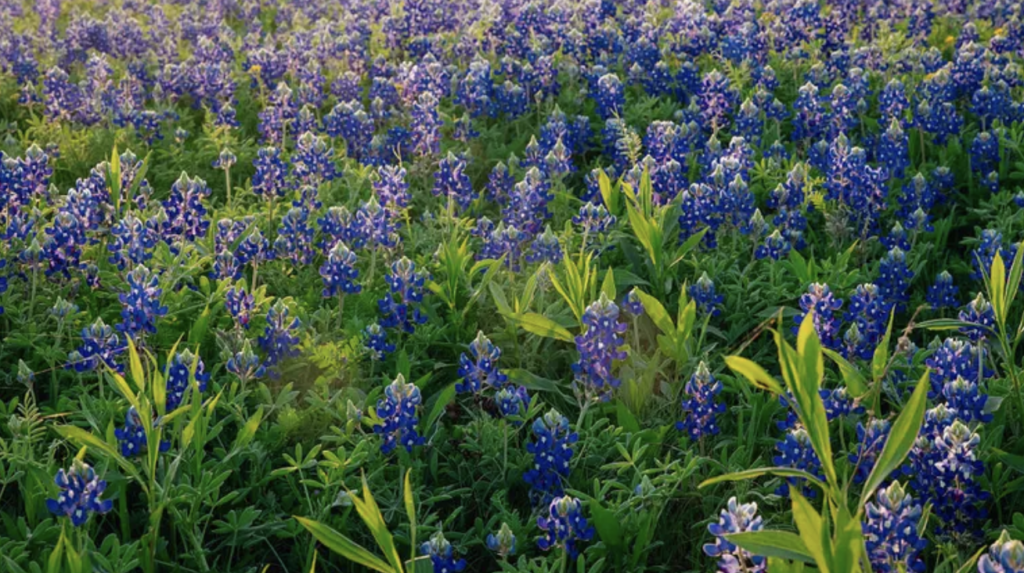
The Texas Department of Transportation recommends planting Bluebonnets between September 1 and December 15 — with best results before mid-November. Waiting until spring to plant often means missing that natural cycle and seeing fewer blooms.
Fall can provide excellent planting conditions for many native species, particularly certain wildflowers and projects where cooler temperatures and seasonal moisture support establishment. The ideal planting window, however, depends on the species, the region, and the goals of the project.
Fall Isn’t Automatically the Best Planting Season for Native Species
Blue grama is a good example.
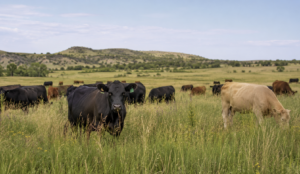
This warm-season native grass is valuable on working lands because it’s drought tolerant, highly palatable to livestock once established, and holds its forage quality well into the dormant season. It can also withstand relatively close grazing because its growing points remain near ground level.
But that doesn’t mean fall is the best time to plant it.
USDA NRCS recommends late-spring seeding for Blue grama in the Great Plains, with earlier planting farther south. In the Southwest, its guidance identifies a June 15 to July 15 seeding period.
The lesson for producers isn’t to put Blue Grama on the calendar for one particular month. It’s to match the planting window to your region, your goals, and the species you’re establishing.
That’s especially important when you’re investing in native grasses for grazing or long-term land improvement. The right seed planted at the wrong time can make establishment harder than it needs to be.
One Season, Many Different Goals
The same planting season can serve very different purposes.
The right seed mix depends on what success looks like for your project or property.
Wildlife Habitat
If your goal is attracting wildlife, diversity often matters more than planting a single species.
Take a closer look at our Wildlife Habitat Blend:
- Native grasses provide nesting cover for ground birds.
- Forbs and legumes produce high-protein deer browse.
- Cool-season grasses allow winter forage for deer, turkey, and quail.
Together, they create habitats that support a host of wild animals from year to year.
Instead of asking, “What’s the best seed mix?” the better question becomes: “What kind of wildlife do I want to support?”
Pollinator Habitat
If your goal is to support pollinators, diversity can help provide habitat beyond a single bloom period.
Bamert’s Bird and Butterfly Blend, for example, combines annual and perennial wildflowers. The mix is designed to provide colorful blooms throughout the season while creating habitat for birds, bees, butterflies, and other pollinators.
For landowners and managers, that means a pollinator planting can do more than add color. With the right mix and planting timing, diverse native plantings can also contribute to healthier ecosystems and improved resilience of the surrounding landscape over time.
Grazing and Working Lands

Native grasses aren’t just valuable for restoration projects.
They also play an
important role on working ranches and farms.
When matched to the right site, native species can contribute to:
- Long-term forage production
- Improved drought resilience
- Better soil stability
- Increased plant diversity
- Healthier rangeland
Every operation has different goals.
Some producers are looking to improve grazing capacity.
Others are restoring native rangeland or participating in conservation programs.
Those objectives should help guide species selection from the beginning — not become an afterthought once planting season arrives.
Reclamation, Transportation, and Infrastructure
Project success often looks different in reclamation than it does in agriculture.
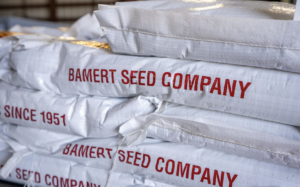
A transportation project may prioritize long-term vegetative cover and erosion control. (Take a look at the Bamert Seed tags in TxDOT’s Nursery Grown Seed section.)
A solar development may focus on stable vegetation that supports long-term site management.
A pipeline or utility corridor may require species that meet project specifications while establishing reliably under local conditions.
The seed mix should reflect those objectives.
That’s why the same recommendation rarely works for every project, even within the same county.
Planning Around Conservation Programs
Many agricultural producers are also planning around conservation programs and seasonal planting windows.
Whether you’re participating in an NRCS program like EQIP or preparing for a future conservation project, it’s helpful to start planning before planting season arrives.
That gives you time to:
- Evaluate the site and its current conditions.
- Select native species that support your long-term goals.
- Coordinate planting with program timelines, where applicable.
- Prepare the site for successful establishment.
The earlier those decisions are made, the more flexibility you have to make adjustments before planting begins.
What’s Your Goal?
The planting window may be the same. The definition of success is not.
August Gives You Something You Won't Have Later
Project Goal
What Success Looks Like
Wildlife habitat
Diverse native cover that supports wildlife throughout the year
Pollinator habitat
Seasonal blooms and habitat for bees, butterflies, and other pollinators
Grazing and working lands
Healthy, productive native forage adapted to local conditions
Reclamation
Reliable establishment that supports long-term site recovery
Transportation & infrastructure
Stable vegetative cover, erosion control, and project compliance
The calendar tells you when to plant.
Your goals help determine what to plant.
That’s why taking time to define success before ordering seed is one of the most valuable steps in the entire process.
Planning Matters More Than Planting in the Fall
Planting may happen in the fall, but many of the decisions that influence success happen well before seed goes in the ground.
By the time crews arrive or equipment rolls onto a property, it’s much harder to adjust species, rethink objectives, or prepare the site. That’s why planning ahead is just as important as planting at the right time.
Before ordering seed, it’s worth asking a few questions:
- Is the site ready for planting?
- Have weeds or invasive species been addressed?
- Does the seed mix still match the project’s goals?
- Is this the right planting window for the species you’ve selected?
- Are there upcoming deadlines for conservation or cost-share programs?
A little time spent answering those questions now can save time, money, and frustration later.
How Bamert Helps
Every property and every project is different.
That’s why our conversations usually begin with the land and your goals, not with a product list.
Whether you’re restoring native habitat, improving grazing land, planning a transportation project, or preparing for a conservation planting, we help you think through questions like:
- Which native species are adapted to this area?
- Which planting window gives this project the best opportunity for success?
- How do your long-term goals influence species selection?
- Does the seed mix align with your site conditions and timeline?
The right recommendation isn’t always the same from one project to the next.
That’s why we take the time to understand what success looks like for you before recommending seed.
Instead of becoming a seed expert yourself, get an expert opinion from a Bamert Reclamation specialist. Or build a mix around your project’s goals with Seed-Spec, Bamert’s custom seed mix tool.